Navigating the Web Development Process: A Strategic Overview
Building a successful website requires a structured approach, similar to constructing a building. This strategic process, known as the web development process, ensures a well-planned and efficient project. This systematic method not only streamlines website creation but also lays the foundation for long-term success. Understanding this process is essential for anyone involved in creating websites, from individual developers to project managers.
Understanding the Web Development Lifecycle
The web development process can be visualized as a cycle with distinct phases, each contributing to the final product. The process flow infographic below illustrates these key stages and their interconnectedness. This structured approach helps developers manage the complexities of building a website, ensuring each step receives proper attention.
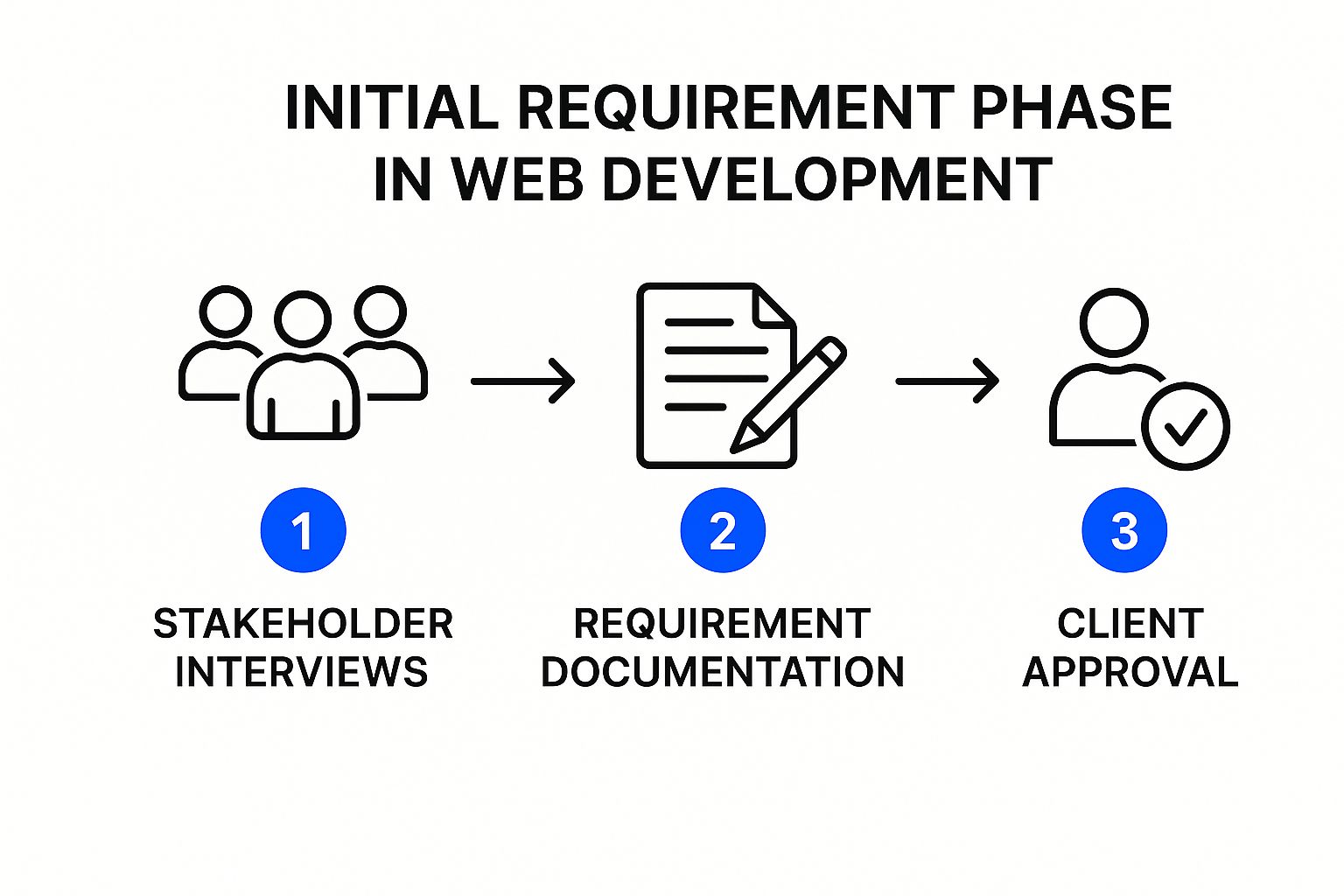
The infographic outlines the key steps in web development: Planning & Research, Design & Wireframing, Front-End Development, Back-End Development, Testing & Quality Assurance, and Deployment & Maintenance. The sequential nature of these phases is vital. For instance, thorough planning informs the design, which then guides development. Testing ensures a polished product, and maintenance keeps the site current and secure.
To understand the details of each phase, let’s examine the typical activities, deliverables, and timelines associated with the standard web development process. The table below provides a helpful overview.
Web Development Process Phases
| Phase | Key Activities | Deliverables | Typical Timeline |
|---|---|---|---|
| Planning & Research | Defining project goals, target audience analysis, competitor research, content strategy | Project brief, sitemap, user personas, content calendar | 1-2 weeks |
| Design & Wireframing | Creating wireframes, mockups, UI design, UX design | Wireframes, mockups, style guide, prototype | 2-4 weeks |
| Front-End Development | Coding the user interface using HTML, CSS, and JavaScript, integrating design elements | Functional front-end, interactive elements, basic content integration | 3-6 weeks |
| Back-End Development | Server-side logic development, database setup and management, API integration | Functional back-end, database connection, API integration | 4-8 weeks |
| Testing & Quality Assurance | Functionality testing, usability testing, performance testing, security testing, cross-browser compatibility | Bug reports, test cases, finalized website | 2-4 weeks |
| Deployment & Maintenance | Launching the website, ongoing maintenance, updates, security patches, content updates | Live website, maintenance plan | Ongoing |
This table provides a general framework, and the actual timelines can vary based on project complexity and scope. However, it highlights the interconnected nature of each phase and the importance of completing each step thoroughly before moving on to the next.
The Ever-Expanding Demand for Web Development
The demand for web development is consistently growing. As of 2025, approximately 252,000 new websites are launched daily, equivalent to about three new websites every second. This statistic emphasizes the importance of a well-defined web development process. Learn more about these web design trends here. This constant growth underscores the critical need for efficient web development.
Key Considerations for Each Stage
Each phase in the web development process requires specific expertise and careful attention. Understanding the nuances of each phase contributes to better collaboration and a successful project.
- Planning & Research: Defining project goals and understanding the target audience are crucial. Thorough research allows developers to make informed decisions.
- Design & Wireframing: Creating intuitive and appealing designs requires a strong understanding of user behavior and design principles.
- Front-End and Back-End Development: Selecting the right technologies and coding efficiently are essential for building a high-performing and maintainable website.
- Testing & Quality Assurance: Employing thorough testing methodologies ensures a polished and user-friendly final product.
- Deployment & Maintenance: Choosing a reliable hosting provider and establishing a solid maintenance plan are vital for long-term stability and security.
By understanding and following this structured process, developers can create websites that meet and surpass client expectations. This approach empowers developers to navigate the complexities of website creation and deliver high-quality results.
Planning and Research: Building Your Digital Foundation
Behind every successful website is a well-structured web development process. It all starts with meticulous planning and research. This initial phase is the blueprint for the entire project, just like an architect’s plans for a new building. This stage sets the project’s direction, anticipates potential challenges, and paves the way for a smooth and efficient development journey.
Defining Project Scope and Objectives
Thorough planning begins with defining the project’s scope and objectives. What are the website’s core goals? Is it designed to generate leads, drive sales, or simply provide information? Clearly outlining these objectives ensures every decision aligns with the overall vision. This clarity is key to avoiding scope creep, the uncontrolled expansion of project requirements. Understanding workflow is crucial for effective planning. For more on efficient workflows, explore this marketing agency process.
Conducting Competitive and User Research
Effective research involves both competitive analysis and user research. Competitive analysis helps identify industry best practices and opportunities to differentiate your website. User research, on the other hand, focuses on understanding your target audience’s needs, behaviors, and expectations. Since the COVID-19 pandemic, user expectations for online experiences have increased significantly. 68% of consumers report higher expectations for businesses’ digital capabilities. This highlights the growing importance of user experience in web development. More detailed statistics can be found here. This data underscores the need to create websites that not only look good, but also function seamlessly and meet user demands.
Creating Project Documentation and Timelines
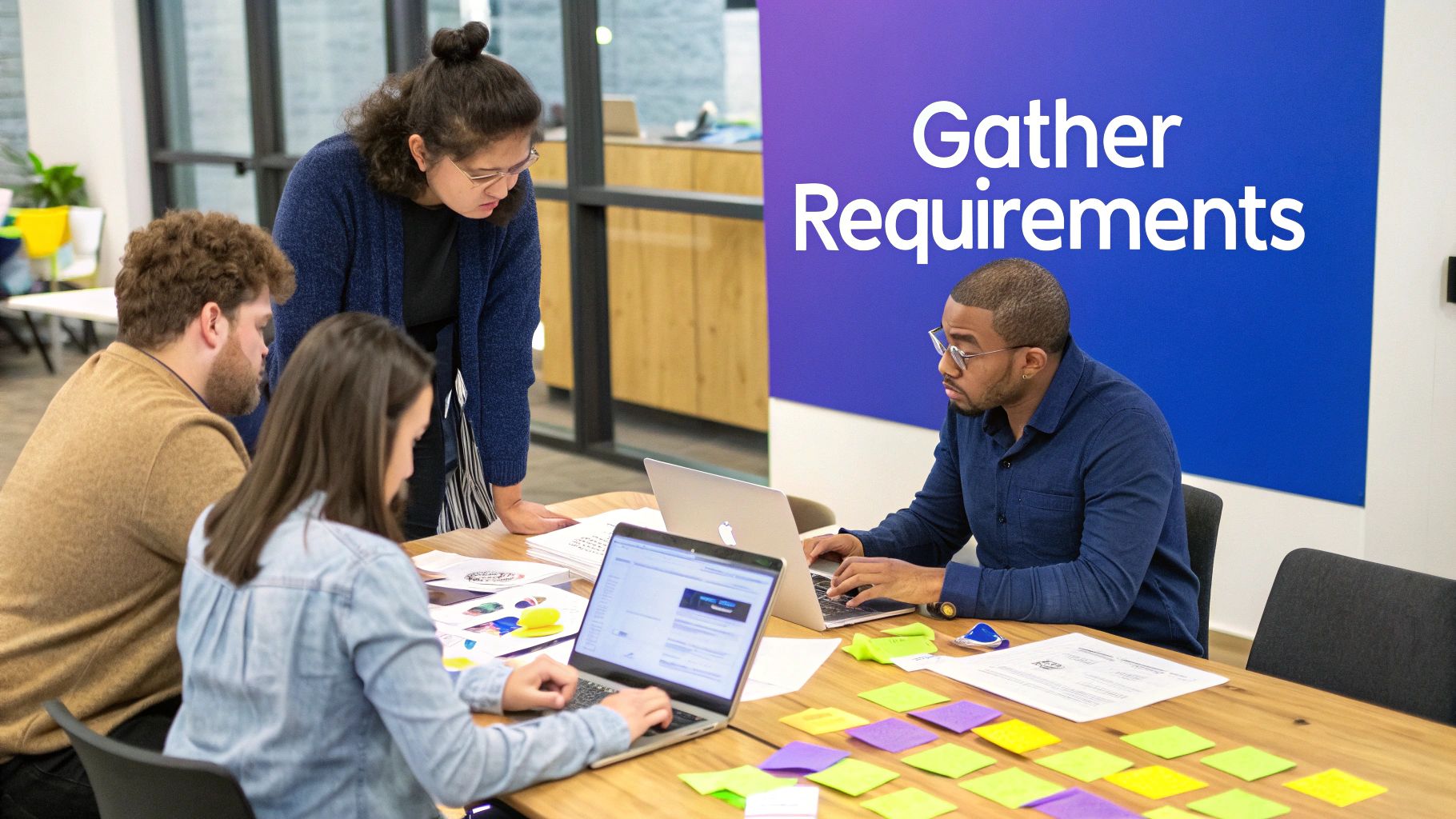
After the research phase, it’s essential to document the findings and create actionable steps. This usually involves creating a detailed project brief, outlining technical requirements, and establishing realistic timelines and budgets. This documentation serves as a roadmap for the development team, ensuring everyone is working towards a common goal. You might be interested in learning how to master sitemaps. This documentation provides a framework for the entire development process, keeping the team focused and organized.
The Impact of Planning on Project Success
These initial planning decisions have a ripple effect throughout the entire web development process. A well-defined plan improves communication and collaboration. It reduces the risk of delays and cost overruns. Ultimately, it leads to a higher-quality website that effectively meets business objectives. This proactive planning sets the stage for a successful project and a positive outcome for all stakeholders.
Design and Wireframing: Crafting Experiences That Connect
Great design isn’t just about aesthetics. It’s about crafting an intuitive and engaging experience that resonates with users as they navigate your website. This crucial phase bridges the gap between initial concepts and tangible visual solutions, laying the foundation for a user-friendly website that effectively achieves its goals.
From Concept to Visual Representation
The design process starts by translating project goals and user research into concrete design concepts. Much like an architect creating blueprints, web designers begin by developing wireframes. These skeletal frameworks outline the structure and layout of each webpage, prioritizing functionality and user flow over visual details. Wireframes serve as a roadmap for developers, representing the bare bones of the website, including content placement, navigation, and user interactions.
The Importance of Responsive Design
In our multi-device world, responsive design is essential. During wireframing, designers must consider how the website will adapt to different screen sizes, from large desktop monitors to small smartphone screens. This involves planning for flexible layouts, adaptable images, and fluid grids that seamlessly adjust to various devices, ensuring a consistent user experience across all platforms.
Tools of the Trade: Design and Wireframing Software
Several tools are available to streamline the design and wireframing process. Popular choices include Figma, Sketch, and Adobe XD. These tools offer intuitive interfaces for creating wireframes, mockups, and prototypes, enabling designers to visualize their ideas and iterate quickly. The best tool for a specific project often depends on team preferences and project requirements. Even in this early stage, considering how to optimize your online presence is important. For instance, understanding how to improve website SEO can significantly impact your site’s long-term success.
To help you choose the right tool for your project, let’s look at a comparison of these popular design and wireframing tools.
To help you choose the best tool, the following table summarizes the key features and pricing of Figma, Sketch, and Adobe XD.
Design Tools Comparison: This table compares popular design and wireframing tools used in the web development process.
| Tool | Best For | Learning Curve | Collaboration Features | Price Range |
|---|---|---|---|---|
| Figma | Collaborative design, prototyping | Relatively easy | Excellent real-time collaboration | Free plan available, paid plans start at $12/editor/month |
| Sketch | UI design for Mac users | Moderate | Good collaboration features with Sketch Cloud | $9/editor/month or $99/year |
| Adobe XD | UI/UX design, prototyping, part of Adobe Creative Cloud suite | Moderate | Good, integrates with other Adobe products | Included with Creative Cloud All Apps plan, or available as a standalone app |
This table highlights the strengths and weaknesses of each tool, helping you make an informed decision based on your specific needs and budget. Figma stands out for its collaborative features, while Sketch is popular among Mac users. Adobe XD offers a strong option integrated within the Adobe ecosystem.
Crafting User-Centric Interfaces
Beyond wireframing, the design phase also involves defining the user interface (UI). This involves meticulous planning of the visual elements users interact with, such as buttons, menus, and forms. Effective UI design utilizes principles of color theory, typography, and visual hierarchy to create an aesthetically pleasing and intuitive experience. This ensures the website is not only functional but also visually appealing.
Usability Testing and Feedback Incorporation
Before development begins, testing design decisions with real users is crucial. Usability testing provides valuable feedback on the design’s effectiveness, revealing potential issues and areas for improvement. This iterative process refines the design and ensures it aligns with user expectations. Incorporating stakeholder feedback is also essential. Presenting design mockups to clients or project managers and gathering their input is key for project alignment and consensus, while still balancing stakeholder preferences with design best practices.
Streamlining the Development Process
A thorough design and wireframing phase streamlines the subsequent development process. Clear wireframes and well-defined UI designs provide developers with a precise blueprint, minimizing ambiguity and reducing the need for costly revisions. This saves time and resources, contributing to a more efficient web development workflow.
Front-End Development: Bringing Designs to Life
Front-end development is where website designs truly shine. It’s about crafting a responsive and interactive experience that goes beyond mere aesthetics. This stage transforms static mockups into dynamic interfaces, ensuring seamless functionality across various devices and browsers.
Selecting the Right Frameworks
Choosing the right front-end framework is a crucial decision in web development. It requires balancing project needs with the complexity of available tools. Popular frameworks like React, Angular, and Vue.js offer robust features. However, a larger framework isn’t always the best fit. Overly complex frameworks can create unnecessary overhead, while overly simple ones might limit functionality. A skilled front-end developer carefully assesses project requirements to select a framework that balances power and simplicity.
Balancing Innovation and Maintainability
Front-end developers aim for clean, efficient code that is both innovative and maintainable. This involves using coding strategies that facilitate easy updates and modifications as the project grows. Clear, well-documented code is vital for long-term maintainability. This allows other developers to understand and work with the codebase effectively, preventing future complications as the website evolves.
Implementing Accessibility Features
Accessibility is paramount in modern web development. Experienced front-end developers prioritize making websites usable for everyone, including people with disabilities. This means incorporating features like alt text for images, keyboard navigation, and screen reader compatibility. These features not only broaden the website’s audience but also improve the overall user experience. Designing with accessibility in mind creates a more inclusive and user-friendly online experience.
Optimizing Front-End Performance
Website speed significantly impacts user satisfaction and search engine rankings. Front-end developers use various techniques to optimize performance without compromising visual quality. These techniques include minifying code, optimizing images, and using browser caching. Optimizing loading speed prevents users from waiting for content, creating a positive browsing experience. Check out our guide on how to master sitemaps.
Communication Between Designers and Developers
Effective communication between designers and developers is essential for preserving the design’s creative vision during implementation. This involves regular check-ins, clear feedback, and a shared understanding of project goals. Open communication ensures the final product aligns with the initial vision, preventing costly revisions later. This collaborative approach keeps the project on track, both visually and technically.
Ensuring Cross-Platform Compatibility
Front-end developers test their code across various browsers and devices to guarantee consistent functionality and appearance. This cross-browser and cross-device testing is vital for a seamless user experience, regardless of how users access the website. With the wide range of devices and browsers available today, ensuring compatibility is crucial for reaching the broadest possible audience.
Back-End Development: Building Systems That Scale

While the front-end focuses on user interaction, the back-end is the driving force behind a website’s functionality. It handles the behind-the-scenes logic, data management, and server-side operations. A robust back-end architecture is essential for a website’s performance, security, and scalability. This section explores the core principles of back-end development.
Choosing the Right Technologies
Selecting the right back-end technologies is crucial for a project’s success. This decision should be based on factors like project requirements, scalability needs, and the development team’s expertise. A simple blog might be well-served by PHP, while a complex e-commerce platform might benefit from more robust languages like Java or Python. Choosing the right technology sets the foundation for a stable and efficient back-end.
Database Design: Balancing Performance and Integrity
The database is the core of any web application. It stores and retrieves the data that powers the entire system. Effective database design involves structuring data efficiently for optimal performance and data integrity. This includes selecting the right database type (SQL or NoSQL), optimizing queries, and implementing data validation. A well-designed database ensures a responsive and reliable website.
Authentication and Security
Protecting user data is paramount. Back-end developers implement authentication frameworks to verify user identities and control access to sensitive information. This involves using secure password hashing, implementing multi-factor authentication, and protecting against vulnerabilities like SQL injection attacks. Strong security measures build trust and protect a website’s reputation.
API Design and Integration
Modern websites often interact with other services through APIs (Application Programming Interfaces). Well-designed APIs allow seamless integration with third-party applications. This enables features like social media logins, payment processing, and data synchronization. Clear API documentation and efficient error handling are essential for a positive developer experience.
Caching Strategies for Enhanced Performance
Caching is a technique for improving website speed and responsiveness. By storing frequently accessed data in a temporary storage location (the cache), the back-end can quickly serve information without repeatedly querying the database. This reduces server load and improves page load times, especially for high-traffic websites.
Building for Scalability and Future Growth
A scalable back-end handles increasing traffic and data without compromising performance. This involves using scalable technologies, implementing load balancing, and optimizing code for efficiency. Building for scalability allows a website to adapt to future growth and evolving user demands. A resilient back-end is crucial for long-term success.
Testing and Quality Assurance: Perfecting the User Experience
A functional website is a starting point. An exceptional website? That’s the goal. The difference often lies in rigorous testing and quality assurance (QA). This crucial stage of web development ensures a polished, high-performing, and user-friendly final product. Catching critical issues before they impact users saves time, resources, and your reputation.
Developing Comprehensive Test Plans
Leading development teams understand that testing isn’t merely a final checkbox; it’s woven into the entire web development process. They create comprehensive test plans outlining all testing activities.
- Functionality Testing: Does every feature work as expected?
- Usability Testing: Is the website easy to use and navigate?
- Performance Testing: How fast, responsive, and stable is the site?
- Security Testing: Are there any vulnerabilities?
- Cross-Browser Compatibility Testing: Does the website display correctly across different browsers like Chrome, Firefox, and Safari?
These plans blend automated testing with crucial human insight. Automated tests efficiently handle repetitive tasks, while human testers provide invaluable feedback on the overall user experience. This balanced approach ensures technical accuracy and genuine usability.
Cross-Browser Testing: Ensuring Consistency Across Platforms
Delivering a consistent experience across various browsers presents unique challenges. Developers use a combination of automated tools and manual testing to uncover compatibility issues. Automated tools like BrowserStack and Sauce Labs simulate different browser environments, streamlining the testing process. This eliminates the need to manually check countless device and browser combinations. However, human review remains essential for catching subtle visual inconsistencies or interaction problems.
Performance Testing: Identifying Bottlenecks
Website speed is paramount for user satisfaction. Slow loading times can lead to high bounce rates and lost conversions. Performance testing helps identify bottlenecks that hinder website performance. Tools like Google PageSpeed Insights and GTmetrix analyze website speed and offer optimization recommendations. Addressing these bottlenecks leads to a smoother, more responsive user experience.
Real-World Examples: The Impact of Effective Testing
Real-world examples highlight the tangible benefits of thorough testing. One e-commerce site saw a significant boost in conversion rates after implementing a comprehensive testing strategy. By identifying and fixing usability issues during testing, they streamlined the checkout process, resulting in a 15% increase in sales. This demonstrates how a well-defined testing approach translates to measurable business results. In another case, a news website suffered a major security breach due to inadequate security testing, resulting in substantial reputational damage and financial loss. These examples underscore the critical role of integrating testing throughout web development.
From Checkbox to Integrated Process
Successful teams bake testing into every stage of development. This proactive approach allows for early detection of issues, leading to faster fixes and reduced costs. Testing evolves from a final hurdle into a continuous improvement process, significantly increasing user satisfaction and minimizing post-launch problems.
Deployment and Maintenance: Launching With Confidence
Launching a website isn’t the end of the web development journey. Instead, it marks the start of a new phase: ongoing maintenance and evolution. This ensures your site stays relevant, performs effectively, and remains secure in the constantly shifting online environment. This continuous process is vital for long-term success and happy users.
Deployment Strategies for Minimal Downtime
Deploying a website means transferring the finished code from the development environment to the live server. Smart deployment strategies minimize downtime and ensure a smooth transition for users. Techniques like staged rollouts and blue/green deployments let developers test the live environment before fully switching over. This reduces the risk of unexpected problems impacting all users. Careful planning and execution during deployment are key for a successful launch.
Post-Launch Monitoring and Maintenance
After launch, continuous monitoring is essential. This involves tracking website performance, uptime, and user behavior. The goal is to identify and fix potential issues before they affect users. Tools like Google Analytics provide valuable data on website traffic, user engagement, and conversion rates. A regular maintenance schedule is also vital. This includes applying security updates, patching software vulnerabilities, and performing routine backups. This proactive approach protects the website from security threats and ensures optimal performance.
User Feedback and Continuous Improvement
Gathering user feedback is key for ongoing improvement. This can involve user surveys, feedback forms, or analyzing user behavior data. This feedback offers valuable insights into user experience and pinpoints areas for improvement. Learn more in our article about our portfolio. By incorporating user feedback, websites can constantly evolve to better meet user needs and expectations. This iterative feedback and improvement process keeps the website relevant and user-friendly.
Adapting to Changing Requirements
Websites aren’t static. They must adapt to evolving user expectations, business needs, and technological advances. This requires a flexible approach to web development. It allows for updates, redesigns, and feature enhancements. Regularly reviewing and updating the website ensures it stays competitive and meets the changing needs of its users and the business. This ongoing evolution is essential for long-term success online.
Looking to take your website even further? Explore actionable tips, expert strategies, and real-world examples in our Web Design & Development articles. Whether you’re refining your current site or planning a full redesign, you’ll find guidance that aligns with your goals. Start exploring and discover what’s possible for your next project.
Ready to boost your online presence? Contact Denver Web Design Studio today to discuss your web development needs! Let’s Build Something Exceptional.