Why Smart Businesses Need a Rebranding Checklist
Rebranding is more than just a fresh coat of paint on your logo; it’s a strategic overhaul of your entire business identity. It impacts every facet of your company, from your marketing materials and website design to your internal culture and how customers perceive you. Without a structured plan, this process can quickly become overwhelming, even for the most well-prepared businesses. That’s where a rebranding checklist comes in. It acts as your roadmap, guiding you through each step and ensuring nothing falls through the cracks.
The Importance of a Structured Approach
A rebranding checklist takes what could be a disorganized effort and transforms it into a strategic opportunity. Think of it as an architect’s blueprint for a major renovation. Just like a blueprint ensures the structural integrity of a building, a rebranding checklist safeguards your brand’s integrity throughout the transformation process. This structured approach helps businesses regain market relevance, adapt to industry changes, and build stronger relationships with their customers. It allows you to make informed decisions, prioritize tasks, and allocate resources wisely.
For example, imagine a company attempting a rebrand without a checklist. They might update their logo and website, but overlook crucial elements like their social media profiles or internal marketing materials. This kind of inconsistency can confuse customers and weaken the overall impact of the rebrand.
Recognizing When Your Brand Needs an Update
Not every brand requires a complete overhaul. Sometimes, a minor refresh is all that’s needed. A rebranding checklist helps you determine the necessary scope of change, whether it’s a minor brand evolution or a complete brand revolution. This distinction is crucial because it directly impacts the level of investment and effort required. A well-defined checklist allows you to assess your current brand, pinpoint its strengths and weaknesses, and chart the appropriate course of action. This assessment becomes the compass guiding all subsequent decisions.
Rebranding is a common business practice, underscoring its strategic importance in maintaining relevance and competitiveness. In fact, a surprising 74% of S&P 100 companies rebrand within their first seven years of operation, highlighting the importance of aligning brand identity with evolving market positions. This process often involves significant changes, such as updating the company name, logo, or brand architecture. The fact that 82% of marketers have been involved in rebranding projects further emphasizes the prevalence and necessity of rebranding in dynamic markets. For more detailed statistics, check out this resource: Learn more about rebranding statistics.
The Measurable Benefits of a Checklist
Approaching a rebrand with methodical precision, rather than reactive excitement, yields measurable benefits. A checklist helps you establish clear goals, track progress, and measure the impact of your efforts. This data-driven approach allows you to demonstrate the return on investment (ROI) to stakeholders and justify the resources allocated to the rebranding process. A rebranding checklist ensures a smoother, more efficient, and ultimately, more successful brand transformation. It’s the key to maximizing the impact of your rebrand and setting your business up for long-term growth.
Assessing Your Current Brand: Honest Evaluation

Before starting a rebrand, it’s essential to understand where your current brand stands. This requires an honest look at its strengths and weaknesses. Think of it as taking stock before making a change. This initial assessment acts as a guide for every decision in the rebranding process.
Conducting a Thorough Brand Audit
A brand audit is a deep dive into your brand’s current market position. It involves examining how your brand is perceived, both internally and externally. This means gathering data from multiple sources like customer surveys, competitor analyses, and interviews with internal stakeholders. The objective is to create a clear picture of your brand’s current performance and perception.
For example, your internal team might see your brand as innovative, while customers find it outdated. These insights are crucial for identifying areas for improvement. Analyzing your competitors can also uncover opportunities to differentiate your brand during the rebrand.
Identifying Key Brand Equity Elements
Not everything needs an overhaul during a rebrand. Some elements of your brand may be strong and worth keeping. Brand equity is the value associated with your brand name and its recognition. This includes your logo, color palette, and brand messaging that resonate with your audience. The audit helps identify which of these elements contribute positively and should be retained.
However, some elements might be holding your brand back. This is where you need to carefully determine what needs to be updated to align with your new brand strategy. A successful rebrand finds the right balance between preserving valuable equity and introducing fresh updates.
Measuring Current Brand Perception
Gathering unbiased feedback is key. A rebranding checklist provides a structured approach to data collection. This allows you to:
- Measure current brand perception across different audience segments.
- Identify the key metrics for establishing a baseline for your rebranding efforts.
This data-driven approach ensures your rebranding decisions are based on objective data, not just gut feelings. This sets a solid foundation for a successful rebranding process. Creating a comprehensive rebranding strategy requires careful analysis, starting with a thorough brand audit to identify areas for improvement and existing gaps in brand identity. Understanding your target audience and market trends is critical for crafting a new vision and identity. Learn more about rebranding with the ultimate rebranding guide here.
Crafting Your Rebranding Strategy and Budget
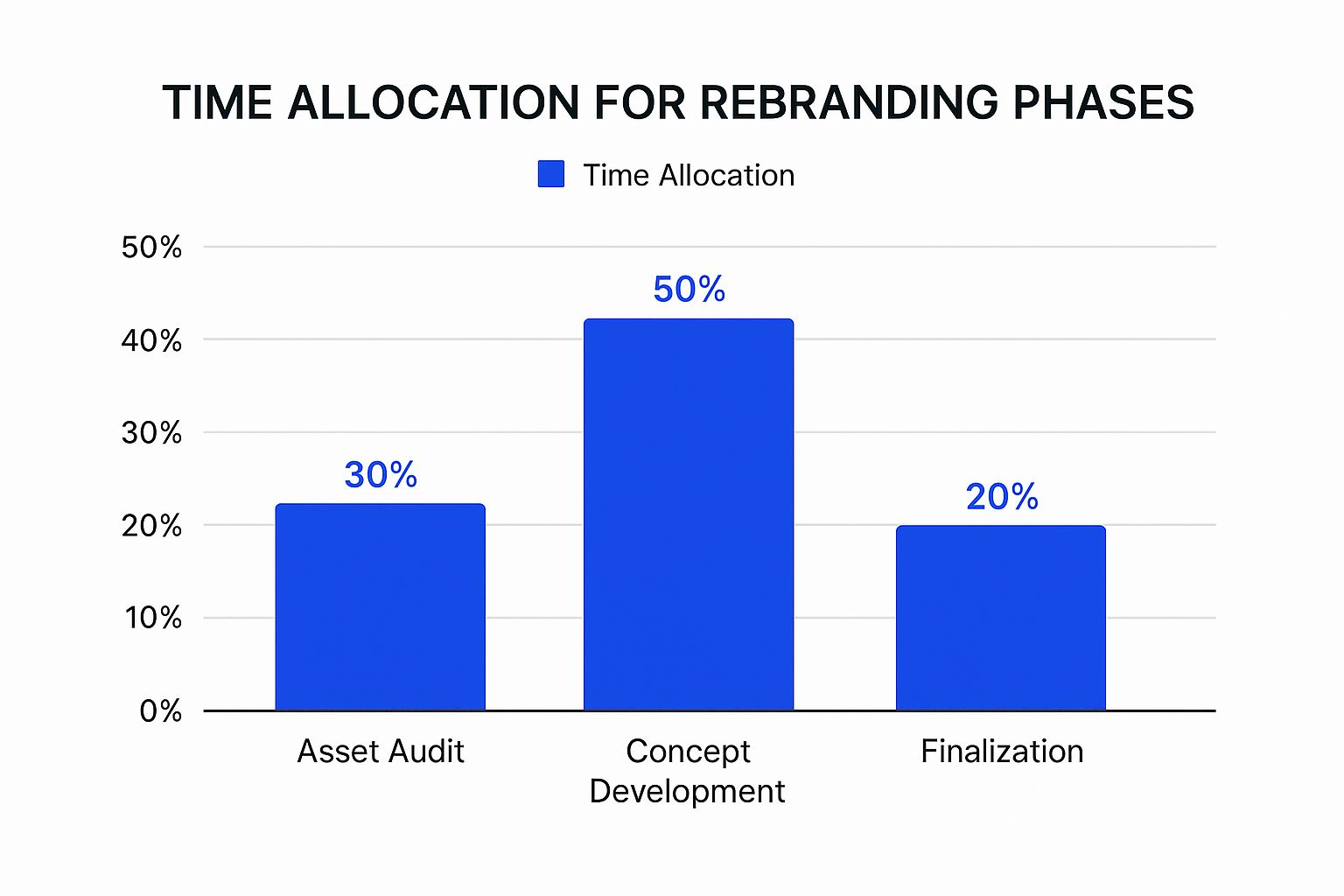
A successful rebrand hinges on two key elements: a well-defined strategy and a realistic budget. These components work in tandem to ensure your efforts are both impactful and sustainable. Let’s explore how to develop a comprehensive rebranding strategy aligned with your business objectives and how to create a supportive budget.
Establishing Concrete Rebranding Goals
Before allocating any budget, define your rebranding objectives. These goals should adhere to the SMART framework: Specific, Measurable, Achievable, Relevant, and Time-bound. Instead of aiming to “improve brand awareness,” set a concrete target like “increase website traffic by 20% within six months.” This provides a measurable benchmark for evaluating success.
Also, consider the broader impact of your rebrand. Beyond visual changes, how will it affect customer perception, employee engagement, and overall business performance? Aligning your rebrand with strategic business objectives ensures a more impactful outcome.
Developing a Milestone-Driven Timeline
Rebranding involves numerous moving parts. A detailed timeline keeps the project organized and manageable. Break the process down into smaller milestones, each with a specific deadline. This helps maintain momentum and allows for adjustments. For example, completing the brand audit could be one milestone, while finalizing the new logo design could be another.
This structured approach ensures logical progression within the allocated timeframe, keeping the project on budget and preventing costly delays.
Building Your Rebranding Team
The right team is crucial. This might include internal stakeholders (marketing, design teams) and external partners (branding agencies and freelance designers). Clearly defined roles and responsibilities ensure everyone works towards the same goals. This collaborative approach promotes ownership and accountability.
Regular communication and feedback are essential for smooth project execution. Open communication addresses potential issues early and keeps everyone aligned with the rebranding strategy.
Prioritizing Brand Elements and Allocating Resources
Not all brand elements have equal weight. A rebranding checklist helps prioritize based on visibility and impact. Your logo and website might require more resources than internal marketing materials.
Strategic resource allocation maximizes your budget. Distribute funds across different channels: website redesign, marketing campaigns, and new collateral. A data-driven approach ensures resources are allocated for maximum impact. Financial investment in rebranding is often significant, with companies allocating 10-20% of their marketing budgets to these initiatives, influenced by the direct impact of strong branding on consumer behavior. More insights on branding statistics can be found here.
The following data chart visualizes typical budget allocation across different rebranding elements, showing how website development and marketing campaigns often receive the largest share, reflecting their importance in building brand visibility.
To further explain how companies allocate their rebranding budget, the table below provides a detailed breakdown:
Rebranding Budget Allocation Framework
This table provides a breakdown of how companies typically allocate their rebranding budget across different elements of the rebranding process.
| Rebranding Element | Percentage of Budget | Key Considerations |
|---|---|---|
| Website Development | 30% | Functionality, User Experience, Mobile Optimization |
| Marketing Campaigns | 25% | Targeting, Messaging, Channel Selection |
| Logo & Visual Identity | 15% | Brand Recognition, Aesthetics, Differentiation |
| Brand Messaging & Content | 10% | Value Proposition, Tone of Voice, Storytelling |
| Internal Communications | 5% | Employee Engagement, Culture Alignment |
| Legal & Trademarking | 5% | Protecting Intellectual Property |
| Contingency | 10% | Unexpected Costs, Flexibility |
This table summarizes key budget allocation areas and their importance. Remember to adapt these percentages to your specific needs and goals.
Budget Breakdown and ROI Measurement
Measuring the return on investment (ROI) of your rebranding is crucial. Track metrics like website traffic, social media engagement, lead generation, and sales conversions. These metrics provide valuable data on the rebrand’s effectiveness, allowing for ongoing adjustments.
Creating Your New Brand Identity That Resonates

After strategizing and budgeting, the truly exciting phase of rebranding begins: crafting the visual and verbal identity of your revitalized business. This is where your brand takes shape and comes to life. This stage of the rebranding checklist focuses on design and messaging, guiding you through creating a new brand identity that resonates with your target audience.
The Psychology of Visual Elements
Visual elements are potent communication tools. Color psychology, for instance, significantly influences customer perception. Think about how blue evokes feelings of trust and stability, while red signifies excitement and energy. Selecting the right color palette is crucial for conveying the intended brand message.
Similarly, typography plays a key role in shaping brand personality. A sleek, modern sans-serif font conveys a different image than a classic serif font. Carefully consider how your font choices align with your overall brand positioning. Don’t forget the importance of visual hierarchy: using size and placement strategically to emphasize certain elements, guiding the viewer’s eye and reinforcing your core message.
Developing Comprehensive Brand Guidelines
Consistency is paramount for brand recognition. Brand guidelines act as a detailed rulebook for your brand’s visual and verbal elements. These guidelines maintain a consistent brand presence across all platforms. This includes everything from your website and social media channels to marketing materials and product packaging.
A well-defined brand style guide ensures your brand maintains a unified look and feel, regardless of where customers encounter it. This consistency builds brand recognition and fosters trust over time.
Working With Design Professionals and Testing Iterations
Design professionals bring invaluable expertise to the rebranding process, translating your brand strategy into impactful visuals. However, your active involvement throughout the process is essential. Provide feedback and ensure the designs reflect your vision and resonate with your target audience.
Testing different iterations of your new brand identity with key audiences is also vital. Gathering feedback early allows you to refine your approach before the official launch. This testing can uncover potential issues and contribute to a more effective final design.
Balancing Innovation and Recognition
A successful rebrand strikes a balance between fresh innovation and maintaining existing brand recognition. While updating your brand is crucial for staying relevant, it’s equally important to retain the valuable equity you’ve built with customers.
This requires careful consideration of which elements to update and which to preserve. Perhaps you update your logo but retain your core brand colors. This balanced approach allows you to present a modern image while maintaining familiarity and trust. A strong company brand is a powerful asset, influencing customer behavior, fostering loyalty, and ultimately driving action. Ensure your rebranding efforts effectively leverage this power, strengthening your connection with customers, employees, and investors. This approach builds a timeless and effective brand for the future.
Executing Your Rebrand: From Strategy to Reality
A well-defined rebranding strategy and a polished new identity are just the beginning. The true success of your rebrand lies in its execution. This means seamlessly implementing your new brand across all touchpoints, both internally with your team and externally with your customers. This implementation phase is a crucial step in the rebranding process.
Prioritizing Customer-Facing Channels
Start by focusing on your most visible customer-facing channels. Your website, social media profiles, and core marketing materials should be among the first to reflect the change. This creates a strong first impression and establishes the tone for the entire rebrand.
For instance, updating your website with your new logo, color palette, and key brand messaging reinforces the change and provides customers with a cohesive brand experience. This immediate visibility generates excitement and maximizes impact.
Managing Digital and Physical Asset Updates
Updating digital assets like website images, social media banners, and online advertising materials requires careful coordination to maintain brand consistency across platforms. Ensure these elements are updated efficiently and correctly to reflect your new branding.
Don’t forget about physical assets like brochures and business cards. Manage the replacement of these items strategically to minimize waste and control costs. A good tactic is to offer incentives for customers to return older materials for recycling. This is environmentally friendly and reinforces your brand’s values.
Phased Rollout For Smooth Transition
A phased rollout strategy is essential for mitigating potential disruptions. Start by piloting the new branding with a small group of customers or internal teams to gather valuable feedback and make any necessary adjustments.
This iterative approach allows for refinement before a full-scale launch, minimizing the risk of unexpected issues and allowing you to build momentum. Gathering real-world insights during this phase helps perfect the implementation and refine your rebranding strategy.
Internal Training and Partner Coordination
Your internal team is your first line of brand ambassadors. Develop comprehensive training programs that not only explain the rebranding changes but also emphasize the “why” behind the rebrand. Ensure your staff understands how the new brand values should be reflected in their customer interactions.
Coordination with external partners, such as vendors and distributors, is equally vital. Ensure their materials and communications align with your new brand identity. Seamless integration across all these touchpoints creates a unified, positive brand experience.
The Rebranding Implementation Checklist
To keep track of all the moving pieces, create a detailed rebranding checklist. This checklist should categorize elements by priority and include a typical timeline for completion. This structured approach ensures every aspect of the implementation is addressed.
To illustrate a practical checklist, see the table below:
Rebranding Implementation Checklist: A comprehensive checklist of all elements that need to be updated during a rebrand implementation, organized by category and priority.
| Category | Brand Elements | Priority Level | Typical Timeline |
|---|---|---|---|
| Digital Properties | Website, Social Media, Email Templates | High | 1-2 weeks |
| Marketing Materials | Brochures, Flyers, Presentations | High | 2-4 weeks |
| Product Packaging | Labels, Boxes, Inserts | Medium | 4-6 weeks |
| Legal Requirements | Trademark Updates, Copyright Notices | High | Ongoing |
| Internal Communications | Employee Training, Intranet Updates | Medium | 2-4 weeks |
This table provides a helpful framework for organizing your rebranding implementation and managing the transition effectively. Remember, methodical implementation is key for a successful rebrand. By prioritizing essential elements, coordinating updates efficiently, and ensuring consistency across all touchpoints, you can maximize the impact of your rebranding efforts and position your business for continued growth.
Announcing Your Rebrand: Communication That Connects

A successful rebrand isn’t just about creating a new identity; it’s about effectively communicating that change. A well-executed announcement generates excitement and builds anticipation. A poorly planned one, however, can cause confusion and even damage your brand. This crucial step focuses on sharing your new brand with the world.
Crafting Compelling Brand Narratives
The “why” behind your rebrand is just as important as the “what.” A compelling brand narrative explains the reasons for the change, connecting with your audience emotionally and building understanding. This story should resonate with your target audience, clearly demonstrating how the rebrand benefits them.
For example, if sustainability is a key driver, your narrative should emphasize your commitment to eco-friendly practices. Explain how these practices benefit both customers and the planet. This fosters understanding and builds positive associations with your brand.
Tailored Messaging For Different Audiences
One size doesn’t fit all when it comes to rebrand messaging. Your customers might be interested in new product features and benefits. Your employees, on the other hand, need to understand the impact on their roles and company culture. Investors will want to know how the rebrand affects business growth and profitability.
Developing tailored messaging for each audience segment ensures relevance and impact, addressing their specific needs and interests.
Choosing the Right Channels and Timing
A multi-channel approach is essential for reaching your entire audience. Use your website, social media platforms, email marketing, and even press releases. The timing of your announcement is equally important. Pre-launch campaigns and teasers can build excitement and generate buzz before the official reveal.
Consider announcing your rebrand during a major industry event or product launch. This can amplify its reach and attract significant media attention.
Generating Excitement and Addressing Resistance
Authentic enthusiasm is contagious. Share your excitement for the new brand! Be prepared, however, for potential resistance. Some customers might be attached to the old brand. Addressing concerns transparently and proactively is crucial.
Creating a detailed FAQ section on your website or social media can address common questions and alleviate any customer anxiety surrounding the change.
Leveraging the Announcement to Strengthen Relationships
A rebrand announcement is an excellent opportunity to reconnect with your audience. Reinforce your brand values, reiterate your commitment to customer satisfaction, and solidify relationships with stakeholders.
A personalized message from the CEO or a behind-the-scenes glimpse into the rebranding process can create a personal connection and build trust, fostering loyalty and strengthening bonds.
Coordinating Your Rebrand Launch
A coordinated launch significantly amplifies your new brand’s impact. This requires a strategic combination of several elements:
- Announcement Events: Hosting a launch event, whether online or in-person, generates excitement and allows you to engage directly with stakeholders.
- PR Strategies: Reaching out to media outlets and securing press coverage increases your brand’s visibility and awareness.
- Social Media Campaigns: Engaging content and targeted hashtags on social media can build anticipation and create buzz.
- Internal Communications: Keeping employees informed and engaged empowers them to become effective brand ambassadors.
These coordinated efforts create a unified message and a memorable launch experience.
Measuring Success and Maintaining Brand Momentum
A rebrand launch isn’t the finish line; it’s the starting point. Just like a newly released product needs ongoing marketing and refinement, your rebranded identity requires constant nurturing and analysis. This ensures your investment continues to deliver returns long after the initial buzz dies down. This section of your rebranding checklist focuses on measuring success and maintaining brand momentum after launch.
Establishing Meaningful Metrics
Before you launch, identify the Key Performance Indicators (KPIs) that will accurately measure your rebrand’s success. While a visually appealing logo is important, the impact on your business objectives is what truly matters. These KPIs could include metrics like website traffic, lead generation, customer acquisition cost, and brand sentiment on social media platforms like Facebook.
For example, if attracting a younger demographic was one of your rebranding goals, track the age range of new customers and social media followers. This data provides valuable insights into how effectively your rebrand connected with your target audience.
Post-Launch Audits and Customer Feedback
Regular post-launch audits are essential for gathering objective data. These audits reveal how your rebrand performs across different channels and customer touchpoints. Gathering customer feedback also provides invaluable insights into perception shifts. Surveys, focus groups, and social media monitoring like listening on Twitter help you understand how customers perceive your new brand.
This feedback is crucial for making data-driven refinements. Perhaps your new brand messaging isn’t connecting as expected, or your updated website design isn’t as user-friendly as intended. These insights allow you to make necessary adjustments to optimize your rebrand’s performance.
Embedding Your New Brand Into Organizational Culture
A rebrand is more than just external changes; it’s an internal transformation. Your employees are your brand ambassadors, and they need to embody the new brand values. Consistent reinforcement through internal communication, training programs, and even incentive programs helps ensure a smooth transition.
Establishing accountability systems also helps maintain consistency. Ensure all departments adhere to the new brand guidelines, from marketing materials to customer service interactions. This internal alignment strengthens the rebrand across every touchpoint.
Maintaining Long-Term Brand Momentum
Maintaining momentum after the initial launch requires ongoing effort. Regularly review your brand performance against your established KPIs. Stay agile and adapt your strategy as needed. The market is constantly changing, and your brand needs to evolve with it.
A consistent brand experience across all touchpoints reinforces positive perceptions and fosters customer loyalty. This long-term approach maximizes your rebranding investment and ensures your brand remains strong and relevant.
Denver Web Design Studio: Your Partner in Rebranding Success
Rebranding can be complex, but with the right approach and a dedicated partner, it can transform your business. Denver Web Design Studio offers a full suite of services to help you navigate every stage of your rebrand, from strategy development to creating a stunning visual identity and executing a flawless launch. We specialize in custom web designs, effective digital marketing strategies, and automating your online presence for continued growth. Visit us at Denver Web Design Studio and let us help you build something exceptional.