Unveiling Your Competitors’ Secrets
Want to outperform your rivals online? This list of top 10 website competitor analysis tools will give you the edge. Discover how these tools help you uncover competitor strategies, strengths, and weaknesses so you can make smarter decisions. We’ll explore key features, pros, cons, and pricing for each tool, including industry giants like Semrush, Ahrefs, and Similarweb. Find the perfect website competitor analysis tool to meet your needs, whether you’re a startup, established business, or e-commerce brand. Denver-area businesses can also consult Denver Web Design Studio for tailored recommendations.
1. Semrush
Semrush is a leading website competitor analysis tool that provides a comprehensive suite of features for SEO and digital marketing professionals. It’s a powerful platform that allows SMEs, entrepreneurs, and established companies to gain deep insights into their competitors’ strategies, from organic search and paid advertising to social media and content marketing. This makes it an invaluable resource for businesses seeking tailored web solutions and performance-driven digital advertising, helping them understand the competitive landscape and identify opportunities to outperform their rivals. For example, e-commerce brands on Shopify or WooCommerce can leverage Semrush to analyze competitors’ product listings, pricing strategies, and promotional campaigns, leading to better UX and increased sales. Similarly, businesses aiming to expand their social media presence can use Semrush to benchmark against competitors and identify best practices.
Semrush’s Competitive Research Toolkit is particularly helpful for website competitor analysis. This toolkit enables users to identify competitors’ top-performing content, track ranking changes for target keywords, and perform detailed domain vs. domain comparisons on key metrics like organic traffic and backlink profiles. This information empowers Denver-based businesses, or Colorado e-commerce brands looking for local web design & digital growth, to refine their SEO and content strategies, optimize their websites for better performance, and ultimately gain a competitive edge in their local market.
Specifically, features like Traffic Analytics provide estimations of competitors’ web traffic, allowing you to gauge their online visibility and potential market share. The Backlink Gap tool helps uncover link-building opportunities by identifying websites that link to competitors but not to you. Organic Research allows you to track your competitors’ keyword rankings and identify potential keywords to target. Furthermore, Market Explorer offers a broad overview of the industry landscape, helping you understand the key players and their relative strengths and weaknesses. Finally, for businesses investing in paid advertising, Semrush’s PPC competitive analysis features enable research into competitors’ ad strategies, including keywords, ad copy, and landing pages. Learn more about Semrush for a deeper dive into its capabilities.
Pros:
- All-in-one platform: Semrush provides a comprehensive suite of SEO and digital marketing tools, eliminating the need for multiple subscriptions.
- Accurate and extensive keyword database: Access a massive database of keywords to inform your SEO and content strategy.
- Detailed historical data and trends: Track competitor performance over time to identify patterns and opportunities.
- User-friendly interface with visual reports: Easily navigate the platform and understand complex data through visually appealing reports.
Cons:
- Higher price point: Semrush is more expensive than some other website competitor analysis tools.
- Steep learning curve: The platform’s extensive features can be overwhelming for beginners.
- Feature limitations on lower tiers: Some advanced features require higher-tier subscriptions.
- Limited searches on lower-priced plans: The number of reports and searches you can perform is limited on lower-tier plans.
Semrush’s comprehensive features and in-depth data make it an ideal website competitor analysis tool for businesses of all sizes, particularly those focused on data-driven decision-making. While the higher price point might be a consideration, the value derived from its powerful insights makes it a worthwhile investment for serious marketers. From event organizers in Denver needing websites with booking and ticketing systems to medium-sized businesses needing custom websites on WordPress or Shopify, Semrush can provide invaluable competitor insights to drive growth.
2. Ahrefs
Ahrefs is a leading website competitor analysis tool that provides a comprehensive suite of features for uncovering your competitors’ strategies and identifying opportunities to outrank them. It’s particularly valuable for understanding their backlink profile, organic search performance, paid search campaigns, and content gaps. Ahrefs empowers you to dissect competitor websites, pinpoint their strengths and weaknesses, and ultimately refine your own online strategy for greater success. For example, a Denver-based e-commerce brand on Shopify can use Ahrefs to analyze the backlink profile of a competing Colorado brand and identify potential link-building opportunities. Similarly, a medium-sized business needing a custom WordPress website can use Ahrefs to research the keywords their competitors are ranking for and optimize their new website accordingly.
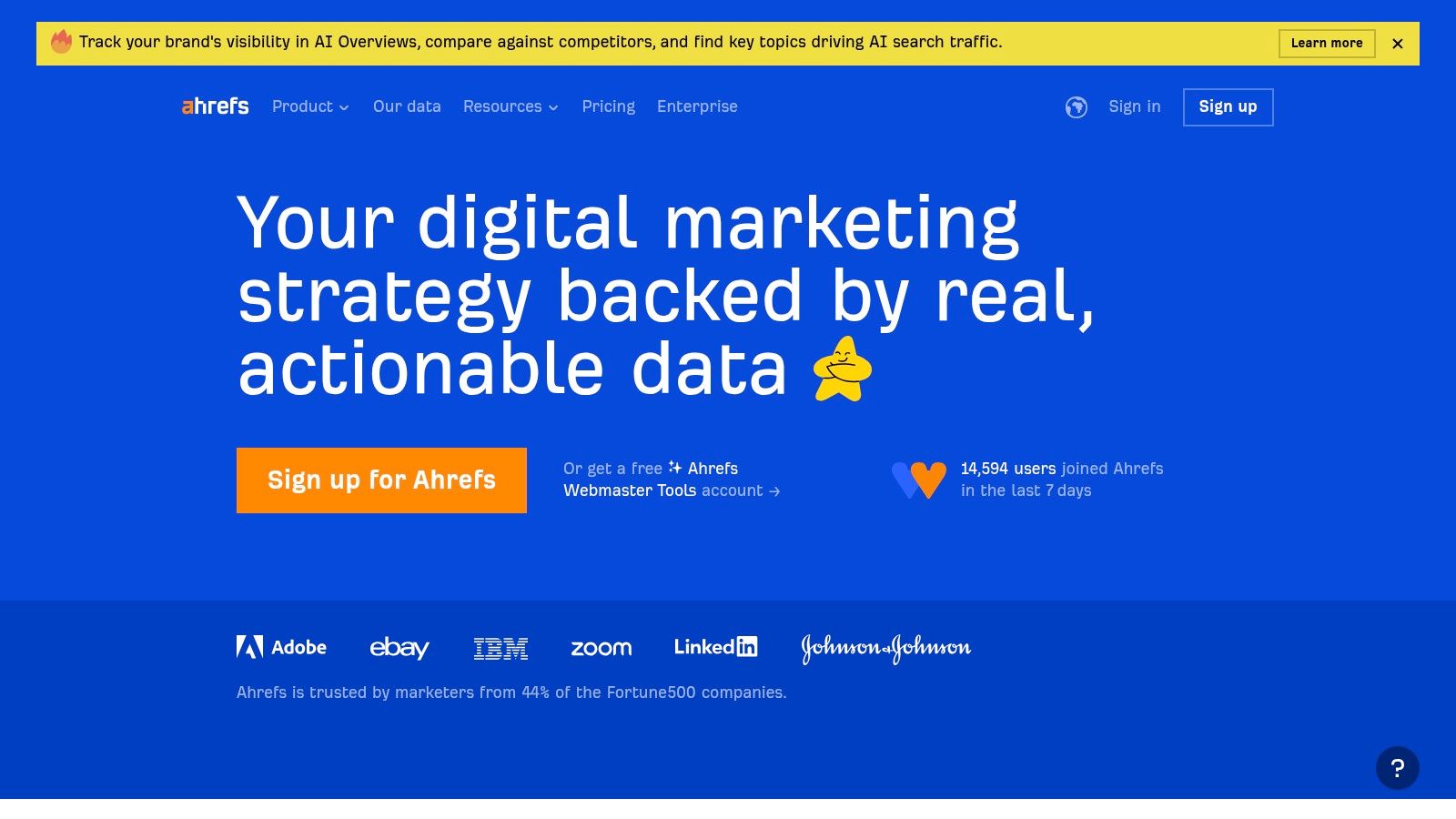
Ahrefs’ Site Explorer tool allows you to delve deep into any competitor’s domain, revealing their top-performing pages, keyword rankings, and estimated organic traffic. This information can be invaluable for SMEs looking to understand what’s working for their competitors and adapt those strategies to their own business. Content Explorer helps you discover top-performing content in your niche, giving you ideas for content creation and identifying potential guest posting opportunities. Keywords Explorer provides an extensive database of keywords with accurate search volume data, allowing you to discover new keyword opportunities and track your rankings against your competitors. Finally, the Site Audit feature helps identify and fix technical SEO issues that could be hindering your performance. These features can be especially useful for event organizers in Denver building a website with booking and ticketing systems; understanding SEO best practices is crucial for driving traffic and ticket sales. Learn more about Ahrefs for a deeper dive into its capabilities.
Features:
- Site Explorer: Comprehensive domain analysis for competitor research.
- Content Explorer: Discover top-performing content within your niche.
- Keywords Explorer: Extensive database of keywords with accurate search volume and other crucial metrics.
- Site Audit: Analyze technical SEO issues and improve website health.
- Rank Tracker: Monitor keyword positions and track progress over time.
Pros:
- Industry-leading backlink analysis: Ahrefs is known for its comprehensive and accurate backlink data.
- Extensive keyword database: Offers a vast library of keywords with reliable search volume metrics.
- Intuitive and clean user interface: Easy to navigate and use, even for beginners.
- Excellent content gap analysis features: Identify content opportunities your competitors are capitalizing on.
Cons:
- Premium pricing: Ahrefs is a premium tool with no free tier, although they offer a 7-day trial.
- Learning curve: While user-friendly, mastering all the features can take time.
- Limited historical data on lower plans: Access to historical data is restricted on some subscription tiers.
- Keyword data update frequency: Keyword data updates less frequently compared to some other tools.
Website: https://ahrefs.com/
Ahrefs deserves its place on this list because it provides a powerful and comprehensive set of tools for website competitor analysis. While the pricing may be a consideration, especially for smaller businesses and entrepreneurs, the depth of insights and the ability to uncover actionable strategies make it a valuable investment for those serious about improving their online visibility and outperforming their competitors. Even established companies seeking performance-driven digital advertising can benefit from Ahrefs’ deep dive into competitor strategies, allowing them to optimize campaigns and maximize ROI.
3. Similarweb: Uncovering Your Competitors’ Digital Strategies
Similarweb is a powerful website competitor analysis tool that provides deep insights into your competitors’ online presence, enabling you to benchmark your performance and identify opportunities for growth. It earns its place on this list due to its robust traffic analysis, audience insights, and market research capabilities, making it especially valuable for SMEs looking to gain a competitive edge. Similarweb goes beyond basic metrics to provide a comprehensive understanding of your competitors’ digital strategies, from their traffic sources and keyword strategies to their audience demographics and engagement patterns. This makes it a valuable tool for anyone performing competitive research using website competitor analysis tools.
How Similarweb Can Benefit Your Business:
Similarweb offers a range of features that cater to diverse business needs:
- Uncover Traffic Sources: Understand where your competitors’ traffic is coming from (direct, referrals, organic search, social media, paid advertising, etc.). This allows you to identify successful traffic acquisition strategies and adapt them for your own business. For example, if a competitor is driving significant traffic through a specific social media platform, you might consider investing more resources in that platform.
- Analyze Audience Demographics and Interests: Gain insights into your competitors’ target audience, including their demographics, interests, and online behavior. This information can inform your content strategy, advertising targeting, and overall marketing efforts. For Denver-based event organizers, understanding the online behavior of your competitors’ attendees can be invaluable for tailoring your own event marketing.
- Identify Keyword Gaps and Opportunities: Discover keywords that your competitors are ranking for but you aren’t. This allows you to uncover untapped opportunities to improve your organic search visibility and drive more relevant traffic to your website. For Colorado e-commerce brands, identifying keyword gaps can reveal product categories or niche markets where you can outmaneuver the competition.
- Benchmark Against Industry Leaders: Compare your website traffic, engagement metrics, and market share against industry benchmarks and your closest competitors. This allows you to identify areas where you are excelling and areas where you need to improve. For SMEs and entrepreneurs, this benchmarking data can be crucial for setting realistic goals and tracking progress.
- Market Analysis and Competitive Landscape: Understand the overall market landscape and identify emerging trends. This is especially helpful for businesses looking to expand into new markets or launch new products/services. This feature is particularly relevant for established companies looking to understand their market positioning and identify potential threats and opportunities.
Pros:
- Extensive Traffic Source Insights: Similarweb provides granular data on traffic sources beyond basic organic search data.
- Strong Audience Analysis Capabilities: Offers valuable insights into audience demographics, interests, and online behavior.
- User-Friendly Comparative Visualizations: Presents data in an easy-to-understand format, making it simple to compare your performance against competitors.
- Global Market Insights: Covers multiple industries and geographies, providing a broad perspective on the competitive landscape.
Cons:
- Limited Data for Smaller Websites: Data accuracy can be limited for websites with low traffic volume.
- Traffic Estimates Can Be Inaccurate: While generally reliable, traffic estimates are not always perfectly accurate.
- High Pricing for Premium Features: Access to advanced features requires a premium subscription, which can be expensive for some SMEs.
- Limited Historical Data on Lower-Tier Plans: Access to historical data may be restricted on less expensive plans.
Pricing: Similarweb offers a free version with limited features. Paid plans start at a significant monthly investment and vary based on the level of access and data required.
Technical Requirements: No specific technical requirements are needed to use Similarweb. It’s a cloud-based platform accessible through a web browser.
Implementation/Setup Tips: Simply create an account, enter your website and competitor websites, and start exploring the data. For more detailed analysis, explore the advanced filtering and segmentation options to focus on specific traffic sources, audience segments, or keywords.
Website: https://www.similarweb.com/
Similarweb is a valuable asset for businesses of all sizes looking to understand their competitive landscape and make data-driven decisions to improve their digital marketing strategies. While the pricing may be a barrier for some, the insights provided can be invaluable for identifying growth opportunities and staying ahead of the competition. For SMEs, entrepreneurs, and established companies alike, Similarweb provides the competitive intelligence needed to succeed in today’s digital marketplace.
4. SpyFu
SpyFu is a powerful website competitor analysis tool specializing in keyword research and pay-per-click (PPC) competitive intelligence. It’s particularly valuable for uncovering the strategies your competitors are using in their search marketing campaigns, providing detailed insights into both organic rankings and paid advertising efforts. This makes it an essential tool for SMEs, entrepreneurs, established companies, and e-commerce brands looking to gain an edge in the competitive online landscape. Whether you’re a Denver-based business or a Colorado e-commerce brand, understanding your competition is crucial for growth, and SpyFu provides the data you need to refine your strategies.
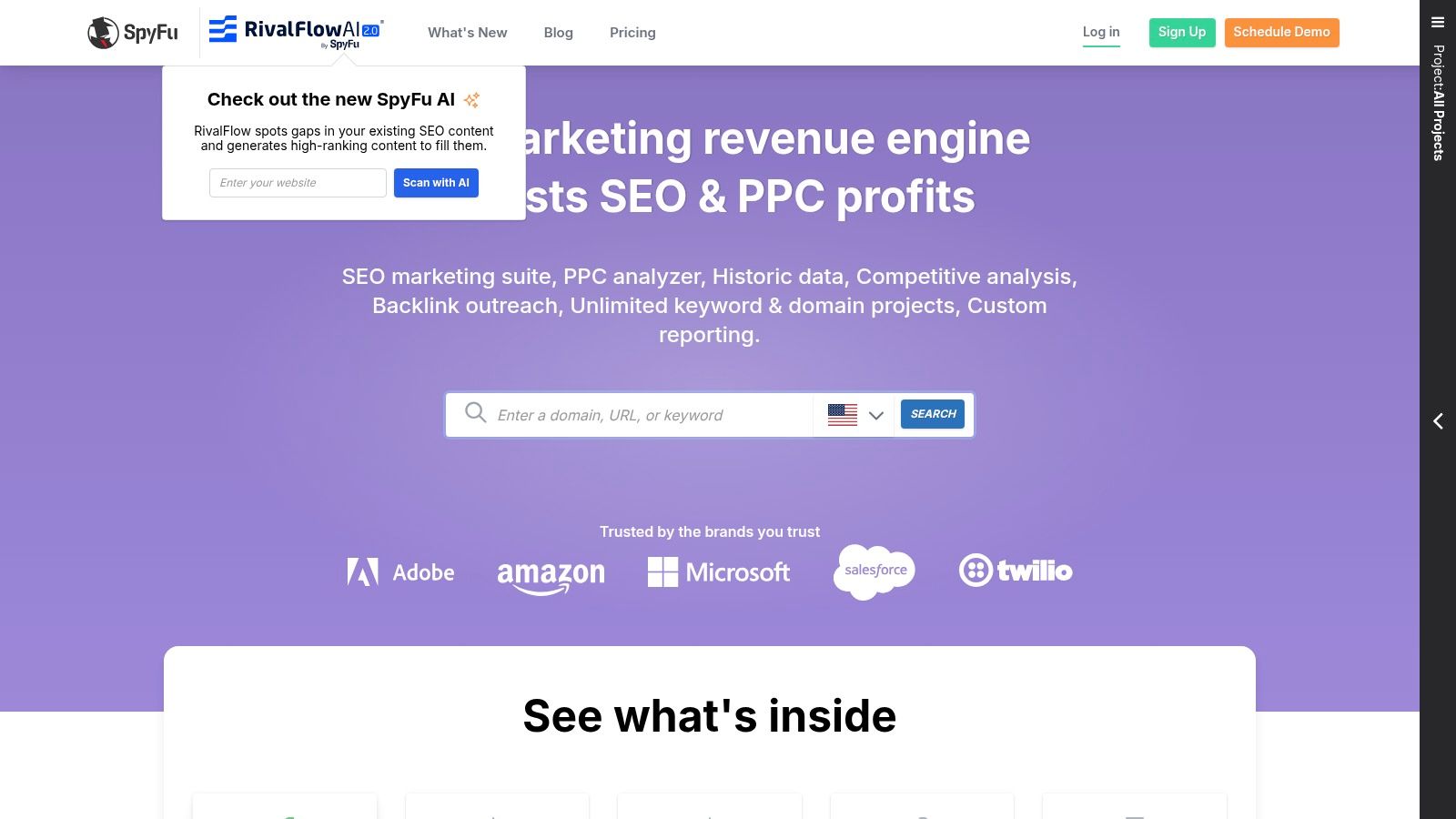
SpyFu excels at revealing your competitors’ most profitable keywords and ad copy, allowing you to identify opportunities and optimize your own campaigns. You can see which keywords they rank for organically, which keywords trigger their ads, and how their strategies have changed over time. This historical data, going back over 10 years for many websites, offers valuable insights into long-term trends and competitor behavior. For example, an e-commerce brand on Shopify could use SpyFu to analyze the keywords and ad copy used by competitors, allowing them to refine their product listings and advertising campaigns for improved visibility and sales.
Features:
- Competitor Keyword Research: Analyze competitor keywords for both organic and paid search campaigns, uncovering valuable opportunities and potential gaps in your own strategy.
- Historical Data: Access historical ad copy and keyword ranking data, providing a long-term perspective on competitor activities and market trends.
- Kombat Tool: Compare your domain against competitors in a head-to-head keyword analysis, identifying areas for improvement and potential competitive advantages.
- Backlink Analysis and Outreach Tools: Explore competitor backlink profiles and identify potential link building opportunities for your own website.
- AdWords Budget and Strategy Insights: Gain insights into competitors’ estimated AdWords budgets and strategies, allowing you to benchmark your own spending and optimize your campaigns.
Pros:
- Extensive Historical Data: Access over 10 years of data for many websites.
- Specialized PPC Competitor Analysis: In-depth analysis of competitor PPC campaigns.
- Unlimited Searches and Data Exports: Conduct unlimited searches and export data for further analysis.
- More Affordable: Offers a competitive pricing structure compared to enterprise-level alternatives, making it accessible to SMEs and startups.
Cons:
- US/UK Focus: Data is stronger for US/UK markets with less comprehensive international data.
- Less Comprehensive for General SEO: Not as feature-rich for broader SEO tasks as some other website competitor analysis tools.
- Dated Interface: The user interface could benefit from modernization.
- Backlink Data Not as Robust: Backlink analysis features are not as comprehensive as dedicated backlink analysis tools.
Pricing: SpyFu offers a range of pricing plans to suit different needs, starting from a basic plan to a team plan with more advanced features and data allowances. Specific pricing details can be found on their website.
Implementation/Setup Tips:
- Start by entering your main competitors’ domains into SpyFu.
- Focus on the keywords they are ranking for and the ads they are running.
- Analyze their historical data to identify trends and patterns in their strategies.
- Use the Kombat tool to compare your domain against competitors.
- Export data to further analyze and integrate into your own marketing strategies.
SpyFu deserves its place on this list of website competitor analysis tools because of its specialized focus on PPC and keyword research. While other tools offer broader SEO functionality, SpyFu’s depth of information in these key areas provides invaluable insights for businesses seeking to understand and outperform their competitors in the paid and organic search landscape. It is particularly beneficial for those focused on the US/UK markets and those looking for affordable access to comprehensive historical data. The link to the SpyFu website is: https://www.spyfu.com/
5. Moz Pro
Moz Pro is a well-established suite of SEO tools that holds a prominent place among website competitor analysis tools. It provides a comprehensive platform for analyzing competitor websites, allowing you to gain valuable insights into their strategies and identify opportunities to outrank them. This is crucial for SMEs, entrepreneurs, and established businesses alike who want to improve their online visibility and market share. Whether you’re a Denver-based business, a Colorado e-commerce brand, or an event organizer, understanding your competition is paramount to success.
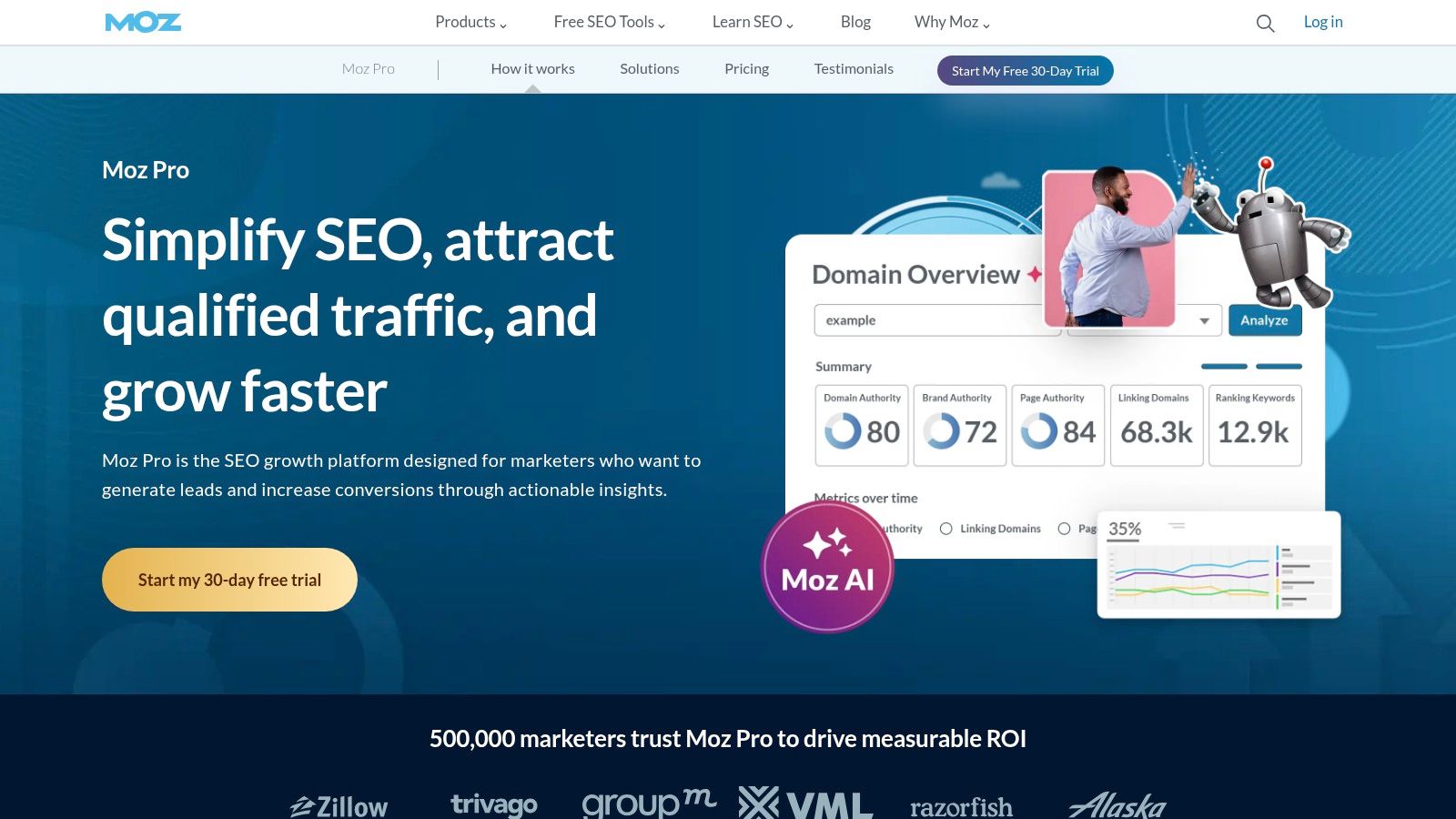
Moz Pro’s competitive analysis features empower you to dissect your competitors’ domain authority, ranking keywords, on-page optimization tactics, and link profiles. For example, a Denver-based event organizer could use Moz Pro to analyze the SEO strategies of competing event venues, identify keywords they are ranking for (like “Denver event space” or “concert venues Colorado”), and then tailor their own website content to target those same keywords more effectively. Similarly, an e-commerce brand on Shopify could use Moz Pro to analyze competitor product pages, identify on-page optimization opportunities, and improve their own product listings for better search visibility.
Key features within Moz Pro specifically designed for competitor analysis include:
- Link Explorer: This tool provides in-depth analysis of your competitors’ backlink profiles. You can see which websites are linking to them, the anchor text used, and the overall quality of their backlinks. This information can be invaluable for building your own link-building strategy and identifying potential link opportunities.
- Keyword Explorer: This feature helps you uncover the keywords your competitors are ranking for and identify new keyword opportunities for your own website. Keyword Explorer provides valuable metrics such as keyword difficulty and SERP analysis, allowing you to prioritize keywords that are both relevant to your business and achievable to rank for. For example, a Colorado e-commerce brand selling outdoor gear could use Keyword Explorer to identify niche keywords like “best hiking boots rocky mountains” and assess the competition for these terms.
- On-Page Optimization Recommendations: Moz Pro analyzes your competitors’ on-page optimization and provides actionable recommendations for improving your own website. This can include suggestions for optimizing title tags, meta descriptions, header tags, and content.
- Rank Tracking: Monitor your rankings against your competitors for target keywords. This allows you to track your progress and see how changes to your website affect your search visibility relative to the competition. SERP feature monitoring helps identify opportunities to capture featured snippets and other valuable SERP real estate.
- Domain Authority Comparative Metrics: Moz’s industry-standard Domain Authority metric provides a quick and easy way to compare the overall authority of your website to your competitors. This can be a valuable benchmark for tracking your SEO progress and identifying areas for improvement.
Pros:
- Industry-standard Domain Authority metric: Provides a recognized benchmark for website authority.
- User-friendly interface: Easy to navigate, even for SEO beginners.
- Strong on-page SEO recommendations: Actionable insights for improving website optimization.
- Comprehensive educational resources and community: Excellent support for learning and improving SEO skills.
Cons:
- Smaller keyword database than some competitors: May not be as comprehensive for highly niche industries.
- Limited crawl credits on lower-tier plans: Can restrict the amount of data you can gather.
- Features not as comprehensive as some alternatives: Some specialized tools offer more advanced features for specific aspects of competitor analysis.
- Backlink index not as large as specialized tools: While valuable, the backlink data may not be as extensive as tools specifically designed for backlink analysis.
Website: https://moz.com/products/pro
While Moz Pro doesn’t publish specific pricing, their plans are tiered based on features and usage limits. Contact Moz directly for detailed pricing information. Technically, Moz Pro is a cloud-based platform, so there are no specific hardware or software requirements beyond a web browser and internet connection.
Moz Pro earns its place on this list due to its well-rounded feature set, user-friendly interface, and industry-recognized metrics. It’s particularly valuable for SMEs, entrepreneurs, and established businesses seeking a robust yet accessible platform for website competitor analysis. While alternatives may offer more specialized features or larger datasets, Moz Pro provides a solid foundation for understanding and outmaneuvering the competition.
6. BuzzSumo
BuzzSumo earns its place among the best website competitor analysis tools by offering robust content and social media competitive intelligence. It helps businesses understand what content resonates with their target audience, identify key influencers, and track brand mentions. This makes it especially valuable for content marketers and social media managers looking to refine their strategies and outperform competitors. For SMEs seeking to amplify their social media presence and customer engagement, BuzzSumo offers invaluable insights.
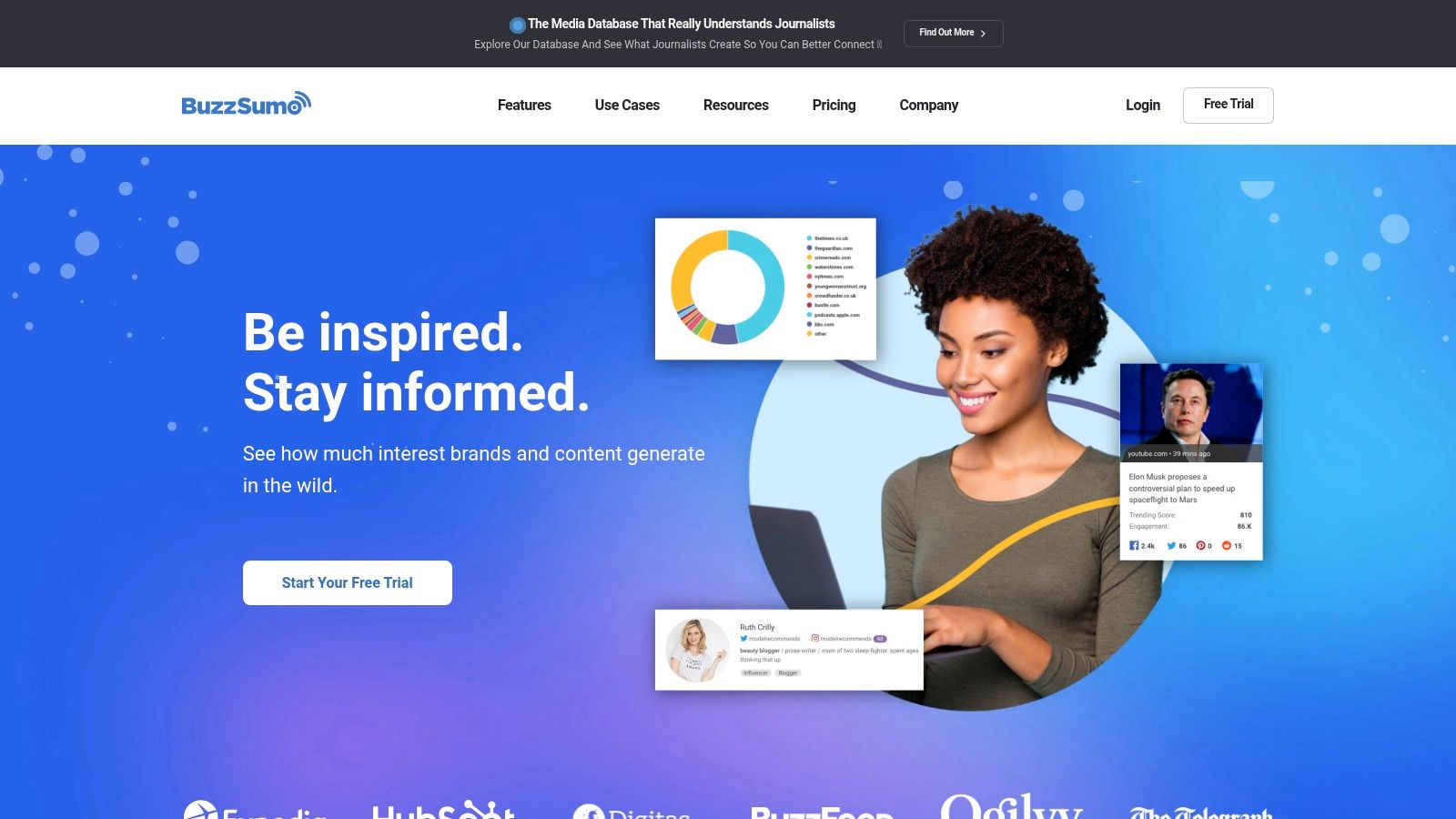
For example, imagine you’re a Denver-based event organizer using Shopify for ticket sales. You could use BuzzSumo’s Content Discovery feature to analyze which types of event-related content are performing best on social media for your competitors. Are blog posts about local bands more popular than videos showcasing venue tours? This data informs your content strategy, allowing you to create content that attracts more engagement and drives traffic to your Shopify store. Similarly, the Influencer identification feature can help you pinpoint key individuals in the Denver area who can promote your events to a wider audience.
BuzzSumo’s Content Analysis feature goes beyond simple metrics like shares and likes. It dives into engagement data across different platforms, allowing you to compare your performance against competitors and identify areas for improvement. The Brand Monitoring tool tracks brand mentions and helps you stay on top of conversations relevant to your business. This is particularly useful for managing your online reputation and responding to customer feedback.
Features:
- Content Discovery: Find top-performing content by topic or competitor domain.
- Content Analysis: Analyze engagement metrics across social platforms.
- Influencer Identification and Monitoring: Find and track relevant influencers in your niche.
- Brand Monitoring and Mentions Tracking: Stay informed about brand mentions and industry conversations.
- Content Format and Length Analysis: Understand which content formats and lengths perform best.
Pros:
- Unmatched social media content engagement metrics.
- Real-time content alerts and trending content discovery.
- Excellent for content strategy development.
- Intuitive content research interface.
Cons:
- More limited in technical SEO analysis compared to website competitor analysis tools focusing specifically on SEO.
- Search limits on lower-priced plans.
- Primarily focused on content rather than comprehensive SEO.
- Historical data limited on basic plans.
While BuzzSumo doesn’t offer the deep technical SEO analysis of some other website competitor analysis tools, its strength lies in content and social media intelligence. If your primary focus is understanding your audience and creating engaging content, BuzzSumo is an excellent choice. For Colorado e-commerce brands looking for local web design & digital growth, understanding this balance between content and SEO is crucial. Learn more about BuzzSumo This can help you decide if it aligns with your specific needs.
While pricing details aren’t readily available, various subscription plans cater to different needs and budgets. Be sure to check their website for the latest pricing information. As for technical requirements, BuzzSumo is a cloud-based tool accessible via a web browser, so there are no specific software installations needed. This makes it accessible to businesses of all sizes, including SMEs and entrepreneurs needing logo designs and brand strategies. This ease of use combined with its powerful content analysis capabilities makes BuzzSumo a valuable asset for any business serious about online success. Setting up an account is straightforward, and the intuitive interface allows you to quickly start researching and analyzing competitor content.
7. SE Ranking
SE Ranking earns its place on this list of website competitor analysis tools because it delivers a potent combination of affordability and functionality. It’s a particularly good option for SMEs, entrepreneurs, and established companies looking for a comprehensive suite without the hefty price tag of enterprise solutions. Whether you’re a Denver-based business building a modern WordPress site or a Colorado e-commerce brand on Shopify, SE Ranking provides the insights you need to outmaneuver your competition. With features covering keyword tracking, backlink monitoring, and website auditing, you can gain a 360-degree view of your competitors’ online strategies. This allows you to identify opportunities to improve your own SEO, paid advertising campaigns, and overall online presence. For example, if you’re an event organizer in Denver building a website with a booking system, you can use SE Ranking to track which keywords your competitors are using to attract attendees and then incorporate those keywords into your own website content and marketing materials.
The Competitive Research tool is particularly valuable, offering a deep dive into your competitors’ organic and paid search strategies. By analyzing keyword overlap, you can see which terms are driving traffic to their sites and identify potential gaps in your own keyword strategy. This is crucial for businesses of all sizes, from startups seeking to establish their brand to established companies looking to maintain their market share. The platform also enables you to track competitor rankings, helping you understand how your performance stacks up against others in your industry. For e-commerce brands on Shopify or WooCommerce, this feature is especially useful for monitoring product keyword rankings and identifying new opportunities to optimize product listings and improve sales.
SE Ranking’s intuitive interface makes it easy to get started, even for users with limited technical expertise. The platform offers flexible plan options to fit various budgets, making it accessible to entrepreneurs and SMEs. Furthermore, the white-label reporting feature is a major advantage for agencies, allowing them to provide branded reports to their clients.
Features:
- Keyword Rank Tracker with competitor position monitoring
- Backlink Checker with competitor link analysis
- Website Audit tool with competitor benchmarking
- Competitive Research module for traffic and keyword insights
- White Label reporting for agencies
Pros:
- Affordable pricing with flexible plan options
- Intuitive interface with a low learning curve
- Comprehensive set of features for the price point
- Excellent white-label reporting for agencies
Cons:
- Keyword database not as extensive as market leaders like Ahrefs or SEMrush
- Backlink data less comprehensive than specialized backlink analysis tools like Majestic
- Limited historical data compared to premium tools
- Some advanced features missing compared to enterprise solutions
Website: https://seranking.com/
Implementation Tip: Start by identifying your top 3-5 competitors. Input their websites into SE Ranking’s Competitive Research tool to analyze their keywords, backlinks, and overall online presence. This initial analysis will provide valuable insights for developing your own SEO and marketing strategies. Regularly monitor your competitors’ performance to stay ahead of the curve and adapt to changes in the market. If you’re a medium-sized business needing a custom website on WordPress or Shopify, use SE Ranking’s website audit tool to identify technical SEO issues that might be hindering your performance compared to competitors.
8. Serpstat
Serpstat is a comprehensive all-in-one SEO platform that offers a robust suite of tools for website competitor analysis. This makes it a valuable resource for businesses of all sizes looking to gain an edge in the online marketplace. From identifying competitor keywords and backlinks to analyzing their content strategies, Serpstat provides the insights needed to outrank rivals and attract more organic traffic. This is particularly helpful for SMEs, entrepreneurs, and established companies seeking data-driven strategies to improve their online presence. Whether you’re a Denver-based business, a Colorado e-commerce brand, or an event organizer looking to optimize your website, Serpstat’s tools can provide valuable competitive intelligence.
One of Serpstat’s key strengths lies in its “Domain vs. Domain” comparison feature. This tool allows you to directly compare your website’s performance against up to three competitors, revealing critical areas where you can improve. For instance, the “Missing Keywords” tool helps identify keywords that your competitors are ranking for but you aren’t. This information can be invaluable for refining your content strategy and targeting high-value keywords that can drive more relevant traffic to your site. This feature is particularly beneficial for e-commerce brands on platforms like Shopify and WooCommerce, enabling them to optimize product listings and category pages for better search visibility.
Beyond keyword analysis, Serpstat provides a comprehensive backlink analysis tool that helps you understand your competitors’ link-building strategies. This includes identifying both high-quality and potentially toxic backlinks, allowing you to replicate successful strategies and avoid harmful practices. The platform also offers a site audit feature that provides technical SEO recommendations for improving your website’s overall health and performance, which is essential for any business needing a custom website on WordPress or Shopify.
Features:
- Domain Analysis with traffic estimation and keyword data
- Competitor Analysis dashboard for quick insights
- Missing Keywords tool to find competitive opportunities
- Backlink Analysis with toxic link detection
- Site Audit with technical SEO recommendations
Pros:
- Competitive pricing for the feature set offered, making it accessible for SMEs and entrepreneurs.
- Strong batch analysis capabilities, allowing for efficient analysis of multiple competitors.
- Good balance of SEO, PPC, and content analysis tools, providing a holistic view of the competitive landscape.
- Extensive API access even on lower plans, enabling seamless integration with other marketing tools.
Cons:
- Database size smaller than top-tier competitors like Ahrefs or SEMrush, which might limit data availability for some niche industries.
- Interface can be complex for beginners, requiring some time to master the platform’s various features.
- Limited data for some international markets, which could be a drawback for businesses targeting global audiences.
- Customer support sometimes slower than competitors, potentially impacting issue resolution times.
Website: https://serpstat.com/
Serpstat deserves its place on this list of website competitor analysis tools because it offers a powerful yet affordable solution for businesses seeking to understand and outperform their competition. While the database size might be smaller than some of the industry giants, its comprehensive feature set, competitive pricing, and strong batch analysis capabilities make it an attractive option, particularly for SMEs and entrepreneurs who require tailored web solutions and performance-driven digital advertising. The missing keywords tool, in particular, provides actionable insights that can significantly impact organic traffic growth. For businesses in Denver, Colorado, or anywhere else, seeking to enhance their social media presence, customer engagement, and overall online visibility, Serpstat offers a valuable toolkit for gaining a competitive edge.
9. Mangools
Mangools is a powerful suite of website competitor analysis tools perfect for small to medium-sized businesses (SMEs) and entrepreneurs looking for an affordable yet comprehensive SEO solution. Instead of individual tools, Mangools bundles KWFinder, SERPChecker, SERPWatcher, LinkMiner, and SiteProfiler into one package, streamlining your workflow. This makes it a great option for those new to SEO and competitor analysis, as well as experienced users who prefer a user-friendly interface. Whether you’re a Denver-based business, an e-commerce brand on Shopify, or an event organizer needing a website, Mangools can help you understand your competitors and improve your online presence.
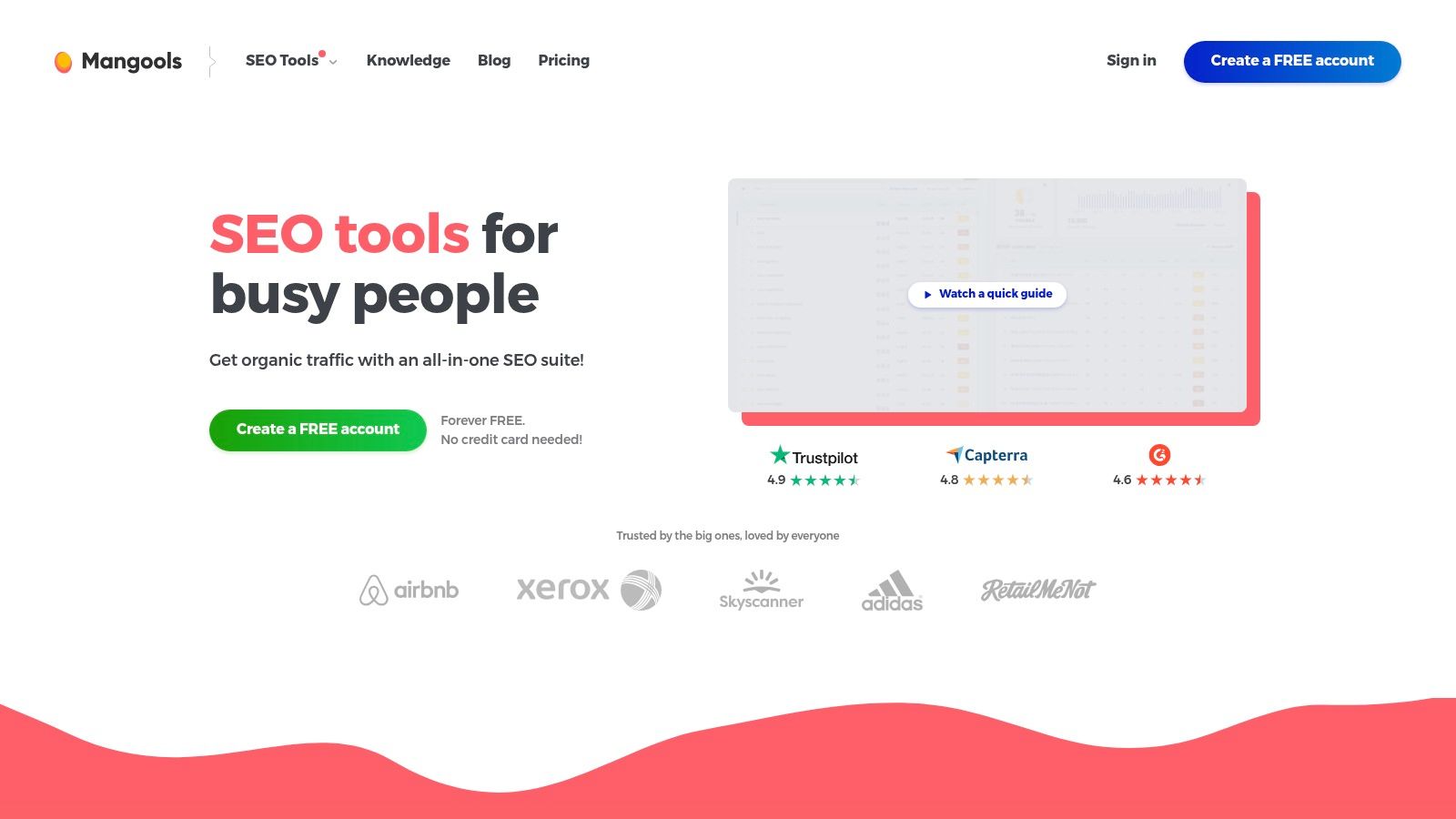
For website competitor analysis, Mangools’ SiteProfiler is especially valuable. It allows you to quickly analyze competitor domains, providing valuable metrics like Domain Authority, Page Authority, Citation Flow, and Trust Flow. These metrics provide a snapshot of your competitor’s overall SEO strength and authority. Beyond authority metrics, SiteProfiler digs deeper, revealing their backlink profile and top-performing content. This intel enables you to identify link building opportunities and understand what content resonates with your target audience. For example, a Colorado e-commerce brand could use SiteProfiler to identify local competitors, analyze their backlink strategies, and discover what products are driving their success.
KWFinder, another tool in the Mangools suite, helps you uncover the keywords your competitors are ranking for. This data is invaluable for informing your own keyword strategy and content creation. Imagine you’re a Denver event organizer; by using KWFinder, you can identify the keywords your competitors are using to attract attendees, enabling you to optimize your website and marketing materials accordingly. SERPChecker lets you analyze search engine results pages (SERPs) for specific keywords, providing insights into competitor rankings, featured snippets, and other SERP features. Combined with SERPWatcher for rank tracking and LinkMiner for backlink analysis, Mangools offers a comprehensive suite of website competitor analysis tools.
Features:
- KWFinder: Competitor keyword research
- SERPChecker: SERP analysis and competitor metrics
- LinkMiner: Backlink analysis
- SiteProfiler: Domain analysis and comparison
- SERPWatcher: Rank tracking
Pros:
- Extremely user-friendly interface ideal for beginners
- More affordable than many comprehensive SEO suites
- Well-designed visualizations and reports
- Good balance of features for most small to medium businesses
Cons:
- Limited daily lookups on lower-tier plans
- Not as feature-rich as enterprise-level alternatives (like SEMrush or Ahrefs)
- Less historical data than premium competitors
- More limited API functionality
Website: https://mangools.com/
Mangools deserves its place on this list because it offers a compelling blend of affordability, user-friendliness, and powerful features. While it may not have the extensive historical data or enterprise-level functionalities of some competitors, it provides an excellent entry point for businesses looking to conduct thorough website competitor analysis without breaking the bank. Its intuitive interface and comprehensive suite of tools make it a valuable asset for SMEs, entrepreneurs, and even established companies looking to improve their online presence. Setting up Mangools is straightforward – simply sign up for an account, choose your plan, and start exploring. For those seeking a streamlined and accessible website competitor analysis tool, Mangools is definitely worth considering.
10. Alexa (Amazon)
Amazon’s Alexa (not the voice assistant) has long been a stalwart in the website competitor analysis tools arena, providing competitive intelligence focused on site traffic, audience demographics, and benchmarking. While its standalone service has been retired, its historical data and insights remain valuable resources for understanding online competition and are worth exploring if you can access them through other Amazon services. Its key strength lies in offering a comprehensive overview of competitor websites, enabling businesses to identify opportunities and potential threats. For example, a Denver-based event organizer could use Alexa’s historical data to analyze the online presence of competing event companies, identify their target audience demographics, and even discover keyword gaps for SEO optimization. This information can be instrumental in shaping their own website strategy and marketing campaigns.
Alexa’s features include competitive site metrics and traffic analysis, allowing businesses to gauge the online visibility of their competitors. Its audience demographics and interests data helps paint a clearer picture of the target market, enabling more targeted advertising and content creation.
Keyword gap analysis and opportunity discovery functionalities offer valuable insights for SEO and content strategy. For instance, a Colorado e-commerce brand can identify keywords their competitors rank for but they don’t, opening up new avenues for organic traffic growth.
The site comparison and benchmarking capabilities enable businesses to compare their website’s performance with that of their competitors, highlighting areas for improvement. Competitor backlink analysis allows businesses to understand the link building strategies of their competitors, uncovering potential opportunities for their own link building efforts. A medium-sized business needing a custom WordPress or Shopify website can leverage these insights to build a robust SEO strategy from the outset.
Pros:
- Long-standing historical traffic data: Offers valuable insights into long-term trends and competitor performance.
- Strong audience demographic insights: Provides detailed information about the target audience, enabling tailored marketing strategies.
- Site comparison and benchmarking capabilities: Enables businesses to compare their website’s performance against competitors.
- Integration with Amazon data ecosystem: Potentially offers synergies with other Amazon services (though the extent of this post-standalone service is unclear).
Cons:
- Standalone service retired: Access to Alexa data is now likely limited and potentially integrated with other Amazon services, making direct access a challenge.
- Traffic estimates sometimes less accurate for smaller sites: Reliance on estimations can be a drawback, especially for businesses with a smaller online presence.
- User interface less modern than newer competitors: The interface may feel dated compared to some of the newer website competitor analysis tools.
- Limited technical SEO analysis features: While Alexa offers valuable insights, it may lack some of the in-depth technical SEO analysis features available in other specialized tools.
While Alexa.com is no longer a standalone service, its contributions to website competitor analysis remain significant. If you can access its data through other Amazon offerings, its historical information, demographic insights, and benchmarking features still hold value, particularly for SMEs, entrepreneurs, and established businesses seeking a broad overview of their competition.
However, due to its retirement, it’s critical to evaluate whether alternative, actively maintained website competitor analysis tools might be a more suitable primary choice for ongoing analysis and monitoring. Tools like SimilarWeb, SEMrush, and Ahrefs, while potentially involving subscription fees, offer up-to-date data and a broader range of features, including more detailed technical SEO analysis. For those seeking free alternatives, consider exploring Google Analytics and Google Search Console, which provide valuable insights into your own website’s performance and can indirectly offer competitive insights.
Top 10 Competitor Analysis Tools Comparison
| Tool | Core Features ✨ | User Experience ★★★★☆ | Value Proposition 💰 | Target Audience 👥 | Unique Selling Points 🏆 |
|---|---|---|---|---|---|
| Semrush | Keyword & backlink research, traffic analytics, PPC analysis | User-friendly, visual reports | Premium pricing, all-in-one platform | Marketing pros, Enterprises | Comprehensive competitive toolkit |
| Ahrefs | Backlink & content analysis, Site Explorer, rank tracking | Intuitive interface, clean design | High cost, 7-day trial only | SEO specialists, agencies | Industry-leading backlink data |
| Similarweb | Traffic & audience insights, industry benchmarking | Easy comparative visualizations | Expensive premium plans | Market analysts, enterprises | Extensive traffic source & audience data |
| SpyFu | PPC & keyword research, historical ad data, Kombat tool | Simple but dated UI | More affordable | SMBs, PPC-focused marketers | Deep historical PPC data, unlimited searches |
| Moz Pro | Link Explorer, keyword & on-page SEO tools, DA metrics | Beginner-friendly interface | Moderate pricing | SEO beginners, small businesses | Industry-standard Domain Authority metric |
| BuzzSumo | Content discovery, social engagement metrics, influencer tracking | Intuitive content research tools | Mid to high pricing | Content marketers | Social media content intelligence |
| SE Ranking | Keyword tracking, backlink checker, website audit, white label | Easy to use, low learning curve | Affordable plans, good feature set | Agencies, SMBs | White-label reporting for agencies |
| Serpstat | Domain & competitor analysis, missing keywords, backlink audit | Powerful but complex interface | Competitive pricing | SMBs, SEO specialists | Strong API access, balanced SEO/PPC tools |
| Mangools | KWFinder, SERPChecker, LinkMiner, SiteProfiler, rank tracking | Very user-friendly for beginners | More affordable | Small to medium businesses | Simple suite with great visualizations |
| Alexa (Amazon) | Site traffic, audience demographics, keyword gap, benchmarking | Outdated interface | Service retiring, limited features | Enterprises (historically) | Long historical traffic & demographic data |
Choosing Your Competitive Edge
Leveraging the right website competitor analysis tools can be the key differentiator between simply existing online and truly thriving. From Semrush and Ahrefs for comprehensive SEO analysis, to Similarweb for market intelligence and SpyFu for uncovering competitor strategies, the tools discussed in this article provide a powerful arsenal for understanding your competitive landscape. Whether your focus is keyword research with Moz Pro, content analysis with BuzzSumo, or technical SEO audits with SE Ranking, Serpstat, or Mangools, selecting the best fit depends on your specific business goals. Even discontinued tools like Alexa offered valuable historical data, further illustrating the wealth of resources at your fingertips. Remember to prioritize the features that align with your needs, budget, and technical capabilities.
For SMEs, entrepreneurs, established companies, and e-commerce brands alike, these tools offer invaluable insights. For example, Denver-based businesses, especially Colorado e-commerce brands or event organizers requiring specialized website functionality, can use these tools to analyze local competitors and identify market opportunities. If you’re also focused on building an online community or selling online courses as part of your strategy, understanding your competition in that space is crucial. When choosing a platform for selling online courses and building a community, it’s essential to compare leading options to find the best fit for your business. Check out this detailed comparison of Thinkific vs Kajabi, along with seven alternatives: Thinkific Vs Kajabi 2025 Top 7 Alternatives from Tevello.
By carefully implementing these website competitor analysis tools and interpreting the data they provide, you can make informed decisions about your online strategy, refine your marketing efforts, and ultimately, achieve sustainable growth in 2025 and beyond.
Want to transform these insights into a winning web strategy? Denver Web Design Studio specializes in leveraging competitor analysis to create data-driven websites that outperform the competition. Contact us today for a consultation and discover how we can help you achieve your online goals.